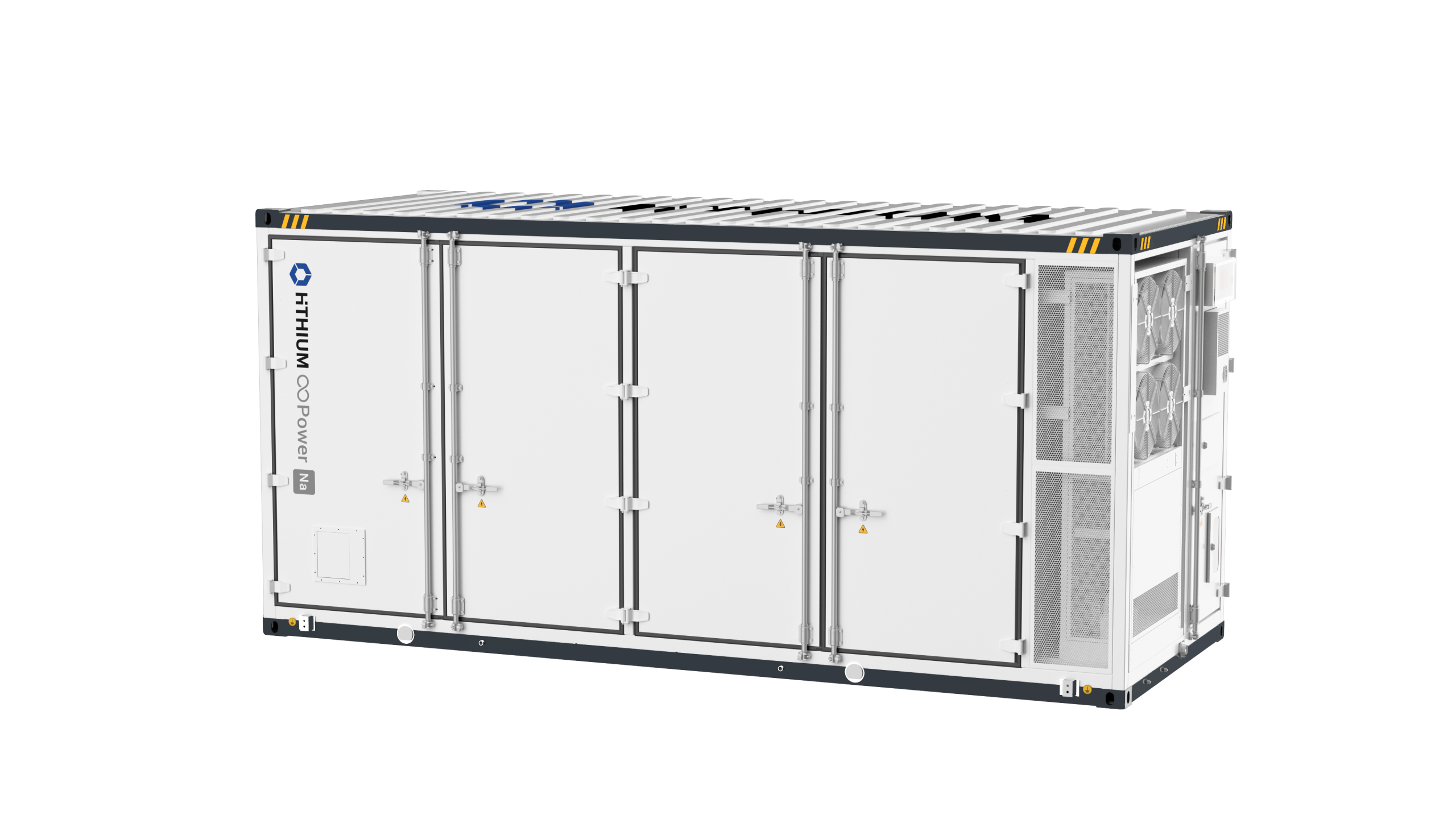
As energy storage applications expand across grid services, industrial operations, and emerging digital infrastructure, system integration has become a defining factor in performance outcomes. Rather than focusing solely on individual components, modern solutions emphasize the coordination of cells, modules, thermal systems, and control platforms. In this context, the bess battery energy storage system is evolving into a fully integrated solution, enabling higher efficiency and operational reliability. Companies such as HiTHIUM, as a specialized battery energy storage system company, are advancing integrated system architectures to meet the complex requirements of large-scale energy applications.
System Integration Enhancing Performance and Efficiency
Integrated design plays a critical role in optimizing the performance of a bess battery energy storage system. By aligning battery cells, power conversion systems, and energy management software within a unified architecture, system inefficiencies can be minimized. This approach ensures that energy flows are managed effectively, reducing losses and improving overall system responsiveness.
For example, an integrated system based on a 2.28 MWh configuration with a 1-hour duration demonstrates how coordinated design can deliver high power output within a compact footprint. With dimensions of approximately 6,220 × 2,590 × 3,000 mm, such systems are engineered for efficient deployment while maintaining high energy density.
A key component of this integration is the use of advanced battery chemistries, such as sodium-ion cells. HiTHIUM’s ∞Cell N162Ah sodium-ion battery enables long cycle life, exceeding 20,000 cycles, which significantly enhances system durability. For a battery energy storage system company, integrating such high-performance cells into a cohesive system architecture is essential for delivering consistent performance across demanding applications, including AI data centers and industrial load regulation.
Reliability and Application Versatility Through Integration
Beyond efficiency, integrated systems improve reliability and expand application versatility. A well-designed bess battery energy storage system incorporates coordinated thermal management, safety systems, and control mechanisms, ensuring stable operation under varying load and environmental conditions.
Integration also enables advanced monitoring and control capabilities. Real-time data from different system components can be analyzed to optimize performance, detect anomalies, and support predictive maintenance strategies. This reduces downtime and enhances operational predictability, which is particularly important for critical infrastructure applications.
Furthermore, integrated systems are adaptable to multiple use cases. From grid ancillary services to industrial energy management and data center support, a unified system design allows for flexible configuration without compromising performance. HiTHIUM, as a battery energy storage system company, leverages integrated engineering to ensure that its solutions can meet diverse operational requirements while maintaining high safety and reliability standards.
Driving High-Performance Energy Storage Through Integration
The advancement of integrated system design is reshaping the performance capabilities of modern energy storage solutions. By combining high-quality components into a cohesive architecture, the bess battery energy storage system achieves improved efficiency, durability, and adaptability.
As demonstrated by HiTHIUM, the role of a battery energy storage system company extends beyond component supply to delivering fully integrated solutions. This approach provides a robust foundation for supporting complex energy applications, enabling energy storage systems to operate reliably and efficiently in an increasingly demanding energy landscape.
