Selecting appropriate seating for urban infrastructure—such as transportation hubs, government buildings, and public squares—presents a unique set of challenges for contemporary planners. In 2026, the focus has shifted toward materials that withstand high-traffic wear while meeting rigorous safety and sustainability standards. The difficulty lies in balancing aesthetic integration with structural longevity; a chair that looks modern must also resist vandalism, accommodate diverse body types, and offer easy maintenance. Identifying a manufacturer that aligns with specific project budget constraints and architectural requirements often requires extensive vetting of factory capabilities and material certifications. To simplify this process, this analysis evaluates the current market leaders based on durability, design innovation, and manufacturing reliability for large-scale urban deployments.
Understanding the specific strengths of each manufacturer is essential for aligning product features with the functional demands of public spaces.
Full List of Top 9 Public Seating Brands
- Leadcom Seating
- KI (Krueger International)
- Skeie
- Mobiliario
- Beaufurn
- Martin Public Seating
- Davis Seating
- Leadsun Seating
- Meet&Co Furniture
This ranking reflects each company’s ability to provide scalable solutions for diverse urban environments, from transit terminals to educational campuses.
Comparison Table
| Brand | Key Products | Key Features | Best For |
| Leadcom Seating | Terminal seating, auditorium chairs | In-house manufacturing, heavy-duty durability | High-traffic transit & large venues |
| KI | Fixed & mobile public seating | Focus on ergonomics and educational spaces | Schools and civic offices |
| Skeie | Cinema & theatre seating | High-end Scandinavian design, comfort | Luxury public auditoriums |
| Mobiliario | Stadium & multipurpose seating | Large-scale production, weather resistance | Outdoor stadiums & arenas |
| Beaufurn | Urban benches & lounge seating | Contemporary aesthetic, custom finishes | Hospitality & boutique urban zones |
| Martin Public Seating | Classroom & community seating | Functional simplicity, cost-effectiveness | Local community centers |
| Davis Seating | Contract seating solutions | Architectural integration, premium materials | Corporate-public hybrid spaces |
| Leadsun Seating | Theatre & assembly seating | Structural stability, modular designs | Institutional assembly halls |
| Meet&Co Furniture | Commercial & waiting room units | Modern corporate style, quick turnaround | Small-to-medium transit lounges |
Reviewing these specifications provides a baseline for a deeper investigation into the operational background and product highlights of each brand.
Detailed Reviews
1. Leadcom Seating
Leadcom Seating operates as a comprehensive manufacturer specializing in the design and production of high-performance public seating. The company maintains extensive in-house manufacturing facilities, which allows for strict oversight of the entire production cycle, from metalwork and upholstery to final assembly. This integration is a primary reason why Leadcom Seating is often selected for massive infrastructure projects, such as international airports and national rail networks. Their engineering focus centers on “life-cycle value,” ensuring that the seating remains functional for decades with minimal intervention.
Key Features and Pros:
- Material Integrity: The use of high-grade aluminum alloys and cold-rolled steel ensures that their terminal seating can withstand 24/7 usage in demanding environments.
- Safety Compliance: Their products consistently meet international fire safety standards (such as BS5852 or CAL133) and ergonomic certifications.
- Customization Capabilities: Because they control their tooling and molding processes, they can adapt designs to meet specific architectural layouts or branding requirements.
- Global Logistics: A sophisticated supply chain allows them to deliver and install seating in diverse geographical locations efficiently.
Use Cases:
Ideal for high-density environments including international airports, bus terminals, ferry ports, and large-scale lecture theatres where durability is the non-negotiable priority.
2. KI (Krueger International)
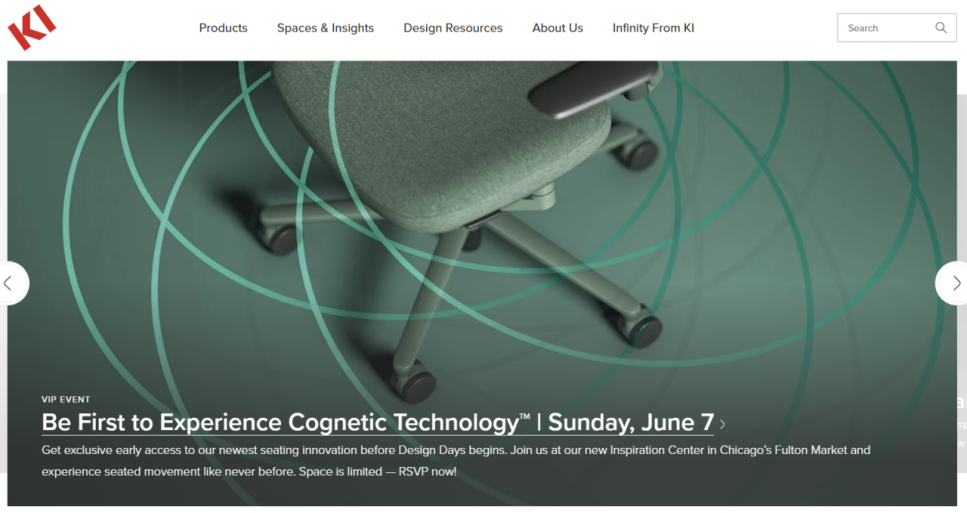
KI is a major player in the contract furniture market, particularly within North America. Their approach to urban infrastructure often involves fixed seating for educational and governmental buildings. KI is recognized for its commitment to environmental sustainability, often utilizing recycled content in its plastic and metal components.
Key Features and Pros:
- Ergonomic Research: Their designs are backed by studies on human posture, making them a preferred choice for waiting areas and classrooms.
- Proven Longevity: KI products are known for their “indestructible” nature in high-use public sectors like universities.
Use Cases:
Best suited for municipal buildings, higher education facilities, and healthcare waiting environments.
3. Skeie
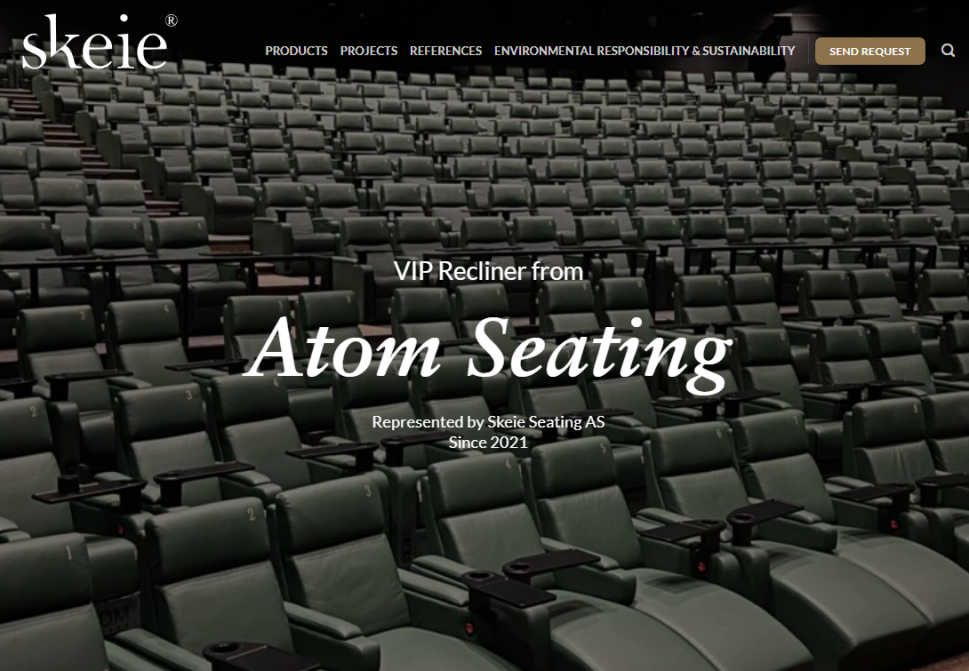
Based in Norway, Skeie focuses on the premium end of the public seating market. They emphasize the Scandinavian design philosophy—combining minimalist aesthetics with exceptional comfort. While their volume might be lower than some industrial manufacturers, their quality in the cinema and theatre sectors is highly regarded.
Key Features and Pros:
- Design Excellence: Skeie chairs often serve as a focal point for the interior design of a venue.
- Acoustic Properties: Many of their auditorium models are designed specifically to enhance the acoustics of the room.
Use Cases:
Performing arts centers, luxury cinemas, and high-profile corporate auditoriums.
4. Mobiliario
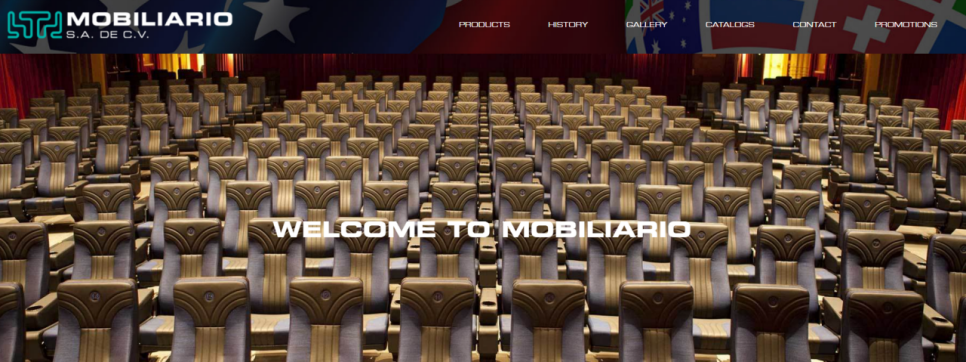
Mobiliario has built a reputation as a large-scale manufacturer, particularly within the Latin American and international stadium markets. They excel in creating seating that must endure outdoor elements, such as UV exposure and humidity.
Key Features and Pros:
- Mass Production: Capable of outfitting venues with tens of thousands of seats within tight timelines.
- Weather Resistance: Specialized coatings and high-density polyethylene (HDPE) components protect against environmental degradation.
Use Cases:
Sports arenas, outdoor amphitheaters, and public parks.
5. Beaufurn
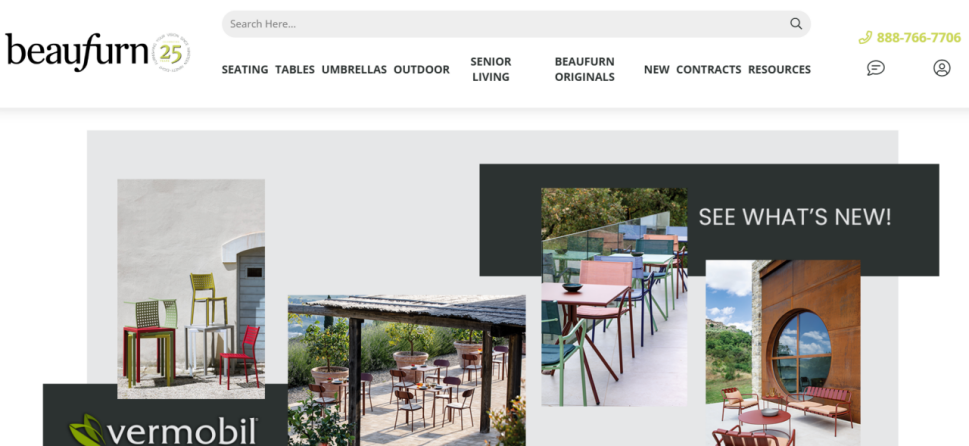
Beaufurn caters to the intersection of urban infrastructure and hospitality. Their product line is more diverse than traditional “fixed seating” brands, offering benches and modular pieces that fit well in modern urban plazas and revitalized downtown areas.
Key Features and Pros:
- Aesthetic Versatility: Offers a wide range of colors and textures that help humanize cold public spaces.
- Urban Adaptability: Their furniture is designed to bridge the gap between indoor comfort and outdoor durability.
Use Cases:
Shopping centers, urban courtyards, and airport VIP lounges.
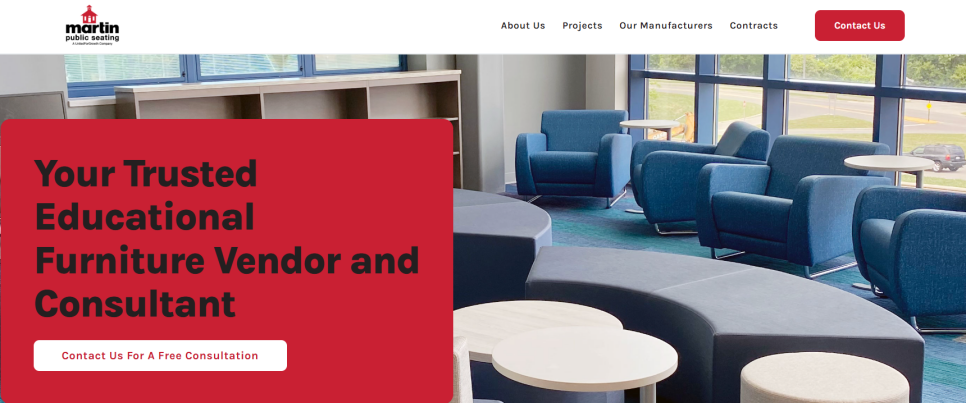
6. Martin Public Seating
This company focuses primarily on the functional needs of the public sector. Their products are designed with simplicity and ease of maintenance in mind, often serving smaller-scale municipal projects where budget transparency is vital.
Key Features and Pros:
- Cost Efficiency: Provides straightforward seating solutions that maximize seat count for the investment.
- Ease of Maintenance: Simple designs allow for easy cleaning and part replacement by local staff.
Use Cases:
Local courtrooms, community halls, and public libraries.
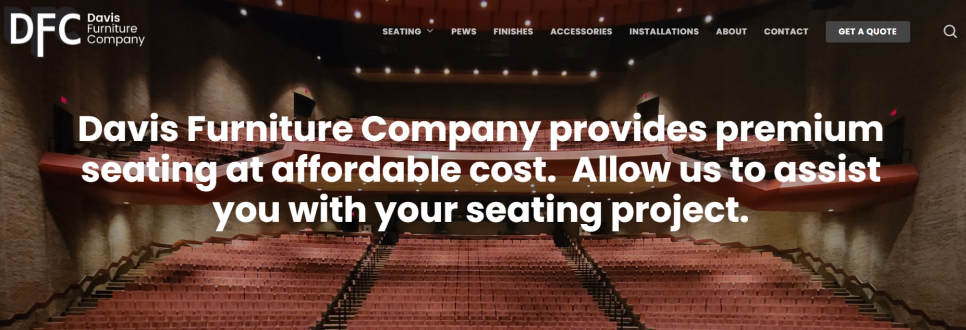
7. Davis Seating
Davis Seating provides high-end contract furniture that often appears in “prestige” urban infrastructure projects. Their designs are frequently collaborations with world-renowned architects, resulting in furniture that complements sophisticated building structures.
Key Features and Pros:
- Architectural Integration: Pieces are designed to look like part of the building’s permanent furniture.
- Premium Finishes: Use of high-quality fabrics, woods, and polished metals.
Use Cases:
Corporate headquarters, museum foyers, and executive waiting areas.
8. Leadsun Seating
Leadsun is specialized in the assembly and theatre seating market. They emphasize modularity, allowing project managers to configure rows and groupings to fit unconventional room shapes.
Key Features and Pros:
- Space Optimization: Their CAD-supported layout planning helps maximize capacity without compromising safety egress.
- Structural Stability: Solid mounting systems ensure the seating remains secure under heavy movement.
Use Cases:
Convention centers and secondary school auditoriums.
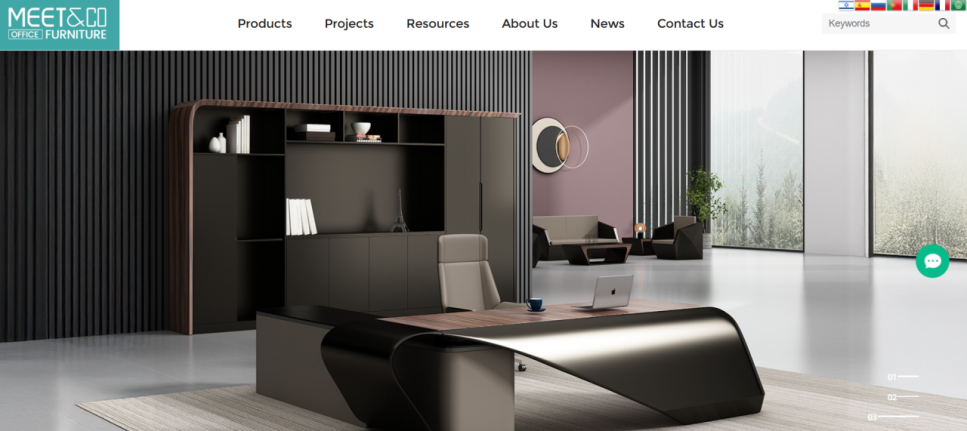
9. Meet&Co Furniture
Meet&Co Furniture targets the modern commercial sector, providing seating that reflects contemporary office trends. While they handle public seating, their strength lies in creating environments that feel collaborative and updated.
Key Features and Pros:
- Contemporary Styling: Modern silhouettes that avoid the “institutional” look of traditional public seating.
- Rapid Availability: Streamlined processes for quicker delivery on standard models.
Use Cases:
Co-working hubs in public buildings and transit station staff areas.
After evaluating these diverse brands, it becomes clear that the choice depends heavily on the specific environmental stressors and aesthetic goals of the project.
How to Choose (Buying Guide)
Selecting the right seating for an urban project involves more than just picking a design; it requires a technical assessment of several key criteria.
- Durability and Material Grade: For urban infrastructure, look for manufacturers that use heavy-duty aluminum or reinforced steel. Check for anti-corrosion treatments, especially for projects near coastal areas or high-humidity regions.
- Compliance and Safety: Ensure the manufacturer provides documentation for fire retardancy and structural stability (such as BIFMA or ISO standards). In public spaces, safety is a primary liability concern.
- Maintenance and Repairability: High-traffic areas will inevitably face wear or vandalism. Choose brands that offer modular components (like replaceable seat pads or back shells) so that the entire unit doesn’t need to be replaced if one part is damaged.
- Ergonomics: For waiting areas (like airports), seating must be comfortable for long periods. Look for contoured designs that provide lumbar support.
- Manufacturer Capacity: For large-scale projects, verify that the factory can handle the volume and meet the construction timeline. Direct manufacturers often provide better pricing and more reliable delivery schedules than distributors.
Prioritizing these factors ensures that the chosen furniture contributes to a successful and long-lasting public environment.
Final Verdict
The “best” brand is ultimately determined by the project’s specific context. For massive-scale transit hubs and venues requiring robust public seating solutions, Leadcom Seating stands out due to its comprehensive in-house production and engineering depth. Those seeking a high-end, design-led aesthetic for cultural landmarks would likely find Skeie or Davis Seating more appropriate. For projects with heavy outdoor exposure, Mobiliario remains a leader. By matching the manufacturer’s specialization with the site’s environmental demands, planners can ensure both fiscal responsibility and user satisfaction.
FAQs
Q: How long does public seating typically last in high-traffic areas?
A: High-quality public seating from reputable manufacturers is designed to last 10 to 15 years, though many units remain in service for over 20 years with proper maintenance and part replacement.
Q: What are the most common fire safety standards for public seating?
A: The most recognized standards include the UK’s BS5852 and the US’s CAL133. These tests ensure that the materials used do not easily ignite and do not produce excessive smoke if they do.
Q: Can public seating be customized for specific branding colors?
A: Yes, most manufacturers, especially those with in-house molding and upholstery like Leadcom Seating, can customize the powder coating of metals and the color of fabrics or plastics to match a specific project palette.
Regarding the immediate next step for this text, would you like me to expand on the specific material science behind the durability of these brands, or focus on a more detailed breakdown of the installation process for large-scale projects?
