During solid-State UV Laser and How Is It Used in Industry planning, process engineers translate optical performance into line-level effects such as yield, rework, and uptime. Solid State UV Laser Industry specifications should identify 355 nm absorption, beam circularity, pulse stability, divergence, and controlled heat input because those values affect acceptance records, operator settings, and rework cost. For solid state UV laser industry, UV dpss laser and solid state UV laser should be evaluated through the same trial data, inspection method, and service expectations.
Process Definition
Solid State UV Laser Industry process planning should list cover film cutting, thin-film drilling, glass marking, plastic marking, and fine package processing, then connect each task with fixture control, inspection frequency, and recipe ownership. For solid state UV laser industry, source material identifies a 355 nm ultraviolet solid-state laser series with 3-5 W average power and water cooling, giving the article a source-based technical base. Within solid state UV laser industry planning, a reference under UV dpss laser helps align the topic with the correct source page when several laser families appear similar at quotation stage.
Hardware Relevance
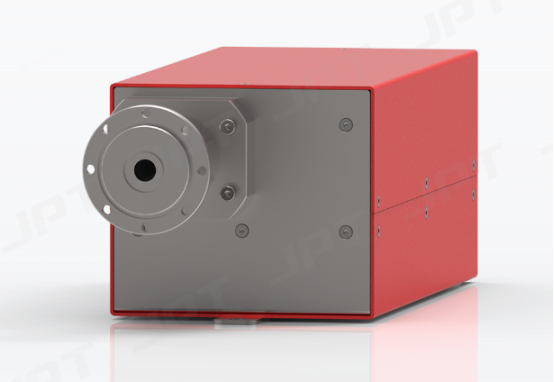
During solid state UV laser industry review, JPT source details are most useful when buyers convert them into parameter ranges, sample plans, and service questions. For solid state UV laser industry, source material indicates that the upgraded Seal-355-3SE and 5SE models use a monolithic structure that integrates the optical path and external drive circuitry, strengthening EMI resistance, which can be checked against the actual part family. As solid state UV laser industry moves toward sourcing, the linked reference for solid state UV laser can guide the buyer toward the relevant page while the internal team keeps final acceptance criteria in its own process file.
Implementation Notes
The final evaluation for solid state UV laser industry should compare supplier capability with factory constraints such as floor space, maintenance access, and quality reporting. For solid state UV laser industry, source material notes a fully sealed enclosure that prevents dust ingress and blocks moisture, supporting robust humidity resistance and reliable use in harsh industrial environments, supporting a review that stays close to the original source material. For solid state UV laser industry, the article can reference JPT for company context, then return to material behavior, inspection, and factory operation.
