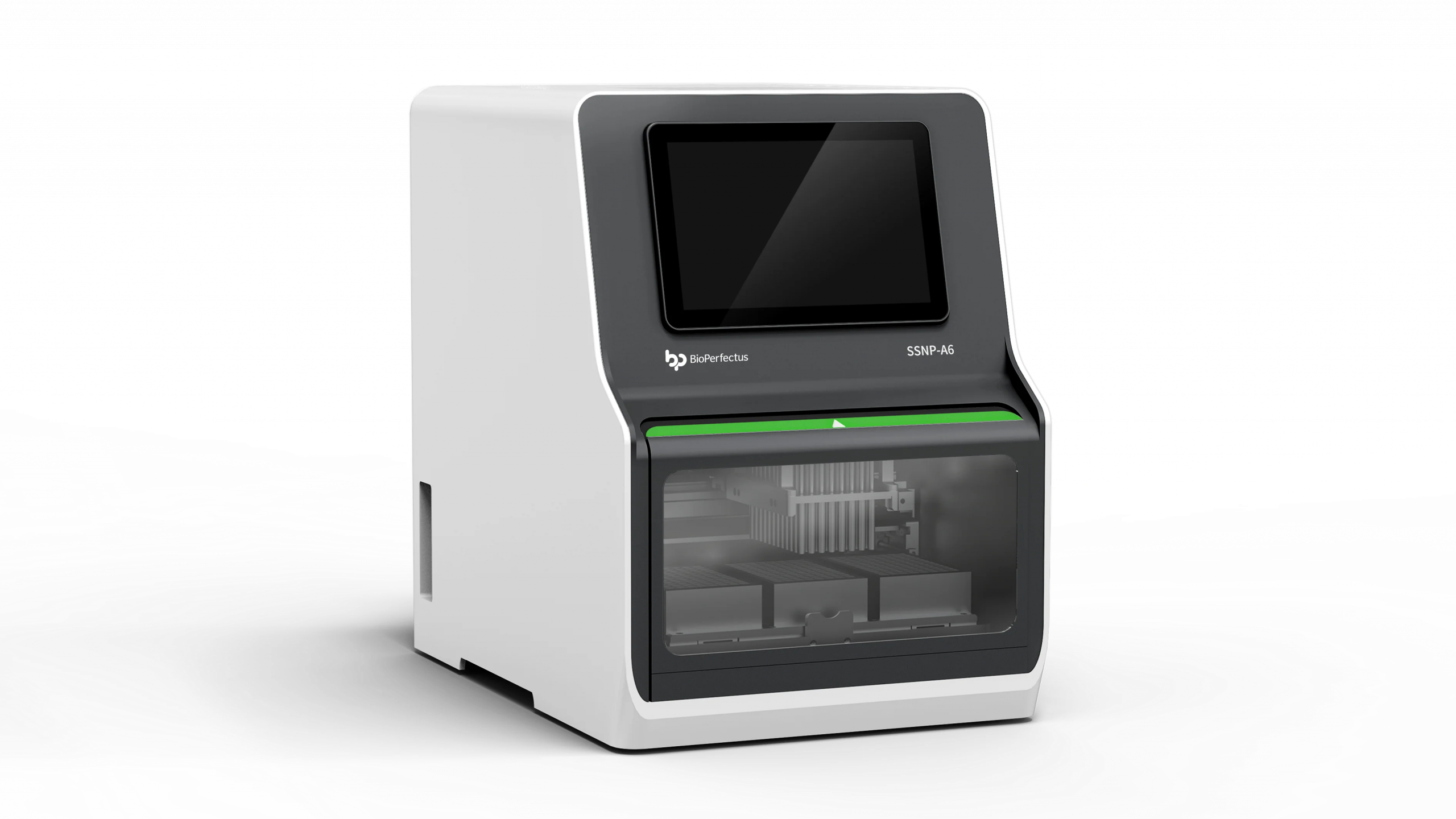
Modern pharmaceutical research relies heavily on the isolation of high-quality genetic material to identify drug targets and validate therapeutic efficacy. BPLabLine recognizes that manual isolation methods often introduce human error and variability, which can jeopardize the strict requirements of clinical trials. By implementing an automated nucleic acid extraction instrument, laboratories can achieve the high throughput necessary for screening thousands of samples simultaneously. These systems ensure that the DNA or RNA recovered is of sufficient purity for downstream applications like quantitative PCR or next-generation sequencing. Consequently, the use of an automated nucleic acid extraction instrument has become a standard requirement for facilities aiming to accelerate the timeline of drug discovery and development.
Enhancing Sample Throughput Efficiency
Efficiency remains a primary driver for adopting an automated nucleic acid extraction instrument within the pharmaceutical sector. When researchers transition from manual pipetting to an automated nucleic acid extraction instrument, they significantly reduce the hands-on time required for each batch of samples. BPLabLine offers systems that utilize magnetic bead technology to capture genetic material rapidly and consistently across multiple wells. This transition to an automated nucleic acid extraction instrument allows scientists to focus on data analysis rather than repetitive liquid handling tasks. High-speed processing is particularly vital during the early stages of pharmaceutical development, where the volume of samples can be overwhelming for traditional laboratory staff.
Improving Result Reproducibility
Precision is another critical factor where the automated nucleic acid extraction instrument excels over manual alternatives. Every automated nucleic acid extraction instrument is programmed to follow exact protocols for lysis, binding, washing, and elution, ensuring that every sample is treated identically. BPLabLine provides technology that minimizes cross-contamination through specialized air filtration and UV sterilization features built into the hardware. Because an automated nucleic acid extraction instrument eliminates the subtle variations in technique between different technicians, the resulting data is more reliable for regulatory submissions. Maintaining such high levels of consistency ensures that the genetic markers identified during the research phase are truly representative of the biological response.
Optimizing Laboratory Safety Protocols
Safety and contamination control are significantly bolstered when a facility integrates an automated nucleic acid extraction instrument into its workflow. By housing the extraction process within a closed automated nucleic acid extraction instrument, the risk of aerosol exposure to hazardous reagents or infectious biological samples is greatly mitigated. BPLabLine designs these systems with user safety in mind, featuring protective shields and automated waste management to limit direct contact with chemicals. This containment provided by the automated nucleic acid extraction instrument is essential when working with sensitive pharmaceutical compounds or viral vectors. Furthermore, the standardized environment within the device protects the samples from external environmental contaminants that could lead to false-positive results.
Scientific advancement in drug formulation depends on the integrity of the underlying genetic data, which is why BPLabLine emphasizes robust instrumentation. The integration of a high-performance automated nucleic acid extraction instrument ensures that the extraction phase is no longer a bottleneck in the research pipeline. By prioritizing automation, pharmaceutical companies can maintain a rigorous pace of innovation while adhering to the highest quality control standards. Using an automated nucleic acid extraction instrument serves as a strategic investment in the accuracy and safety of future medical breakthroughs.
