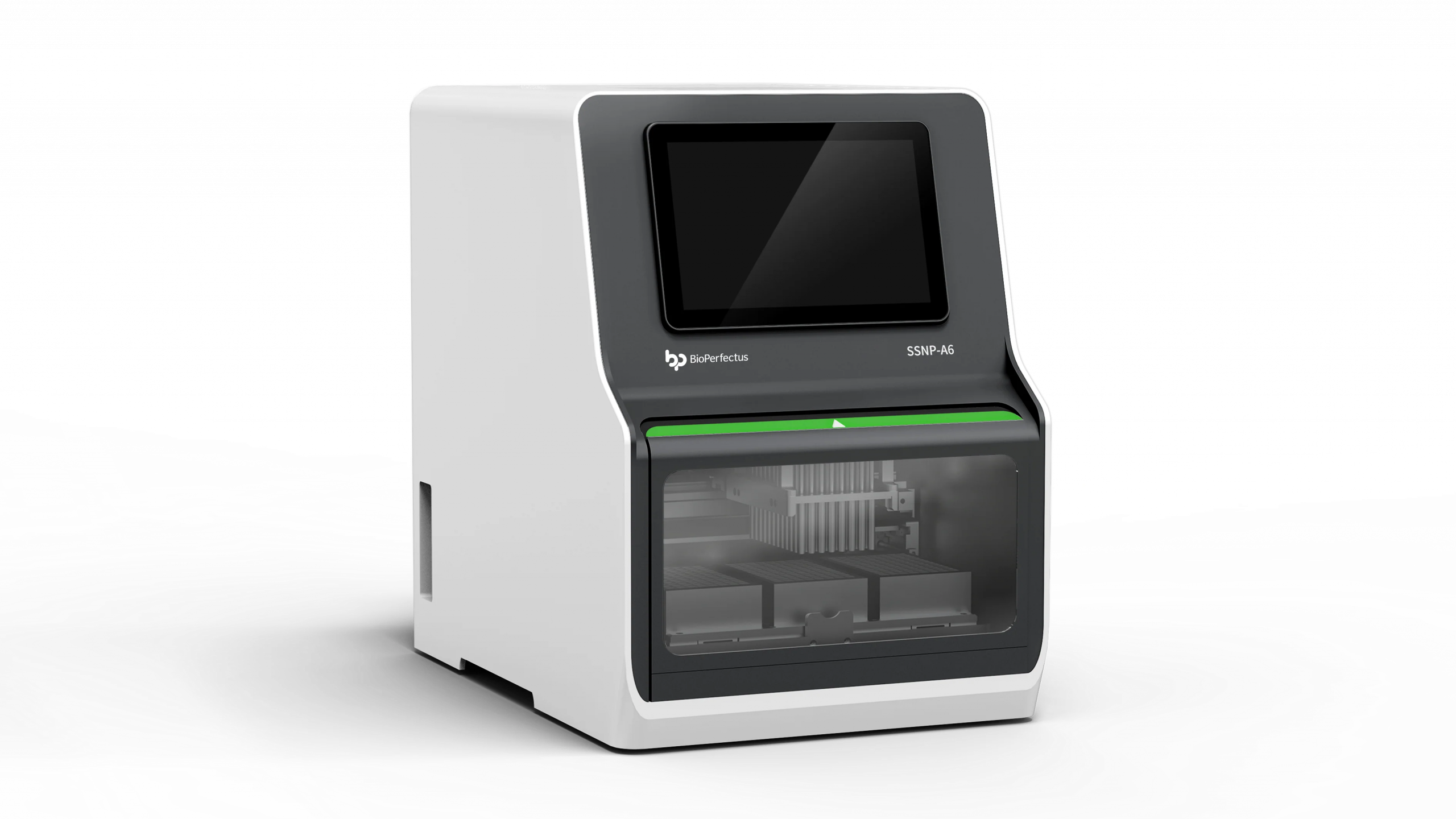
DNA analysis is a cornerstone of modern molecular biology and clinical diagnostics. The accuracy of results relies heavily on the quality of extracted nucleic acids. Traditional manual methods often require extensive hands-on time and may introduce variability. To address these challenges, laboratories increasingly rely on automated nucleic acid extraction systems, which offer consistency and high throughput. These innovations not only save time but also enhance reproducibility, making downstream BP LabLine DNA analysis faster and more reliable.
The Role of Automated Nucleic Acid Extraction in Modern Labs
Automated extraction platforms, such as the BP LabLine, simplify the process of isolating nucleic acids from complex samples. By integrating mechanical, electronic, and software technologies, these systems minimize human error and streamline workflows. High-throughput capabilities allow laboratories to process dozens of samples simultaneously, ensuring that experiments and diagnostic tests can proceed without delay. The reliability of automated nucleic acid extraction helps researchers obtain high-quality DNA suitable for a variety of applications.
How DNA Extraction Machines Improve Sample Processing
Machines like the SSNP-A6 DNA extraction machine employ magnetic bead-based protocols to purify nucleic acids efficiently. This approach allows simultaneous processing of up to 96 samples, reducing bottlenecks in high-demand labs. The automation of washing, binding, and elution steps ensures consistent yields and high-quality DNA, which directly impacts the speed and accuracy of subsequent analysis. Using such DNA extraction machines accelerates the timeline from sample collection to usable genetic material.
Choosing the Right System for Reliable Results
Selecting an appropriate automated system depends on sample type, throughput needs, and integration capabilities. The BP LabLine offers a balance of reliability, performance, and ease of use for both research and clinical laboratories. Advanced software controls, minimal maintenance requirements, and flexible protocols make these systems suitable for diverse workflows. Choosing the right equipment ensures that nucleic acid extraction remains efficient and reproducible.
Conclusion
Automated nucleic acid extraction has revolutionized the way laboratories prepare DNA for analysis. Modern DNA extraction machines provide consistent, high-quality nucleic acids while reducing manual workload. By adopting systems like the BP LabLine, laboratories can achieve faster turnaround times, reliable results, and optimized workflows, ultimately supporting scientific discovery and clinical diagnostics.
