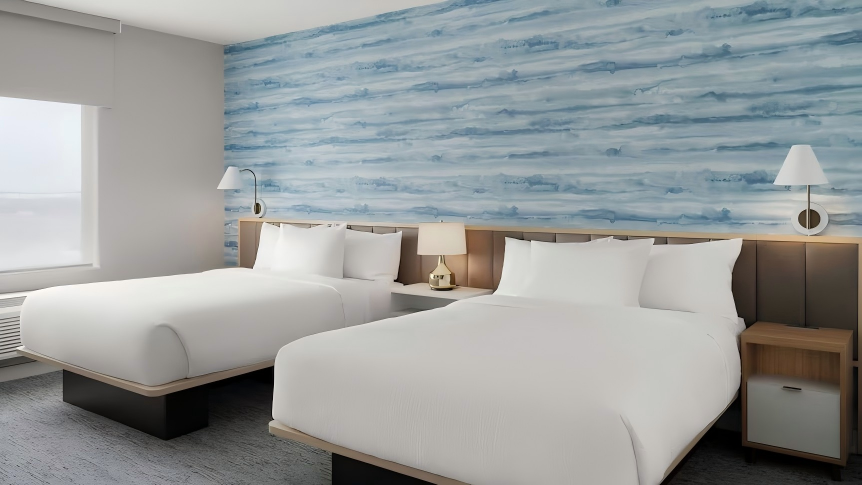
Hotel furniture projects involve far more than selecting attractive pieces for guest rooms. Extended-stay properties must balance residential comfort, commercial durability, brand identity, and practical maintenance requirements. For TownePlace Suites by Marriott, these considerations become particularly important because guests may stay for several weeks or months.
A capable Marriott hotel furniture supplier needs to understand how design expectations translate into manufacturing details, installation requirements, and long-term operational needs. BFP Furniture approaches hospitality projects with attention to these practical considerations, helping hotel developers connect design concepts with furniture production.
Translating Marriott Brand Standards Into Manufacturing Specifications
Brand standards provide the foundation for hotel interior design, but their successful implementation depends on how clearly those requirements are communicated to manufacturers. Visual references alone rarely provide enough information for production. Dimensions, material specifications, finishes, construction methods, and hardware requirements must all be documented before manufacturing begins.
For an extended-stay property, furniture dimensions deserve particular attention. Guest rooms often accommodate sleeping, working, dining, and storage activities within a relatively compact footprint. Cabinet depth, desk positioning, wardrobe clearance, and bedside access can influence how comfortably guests use the space. A Marriott hotel room furniture specification should reflect these functional relationships rather than treating every item as an isolated design element.
Material selection introduces another layer of technical consideration. Decorative laminates, veneer finishes, upholstery fabrics, and metal components respond differently to daily use and cleaning products. Manufacturers need to evaluate scratch resistance, moisture exposure, color consistency, and repair requirements when translating interior concepts into production-ready specifications.
Model Rooms as a Catalyst for Brand Approval
A model room provides a practical opportunity to examine how furniture performs within the actual architectural environment. Renderings communicate appearance, but a physical installation reveals details that drawings may overlook, including circulation space, furniture proportions, lighting interactions, and the relationship between individual pieces.
During this stage, project teams can assess whether drawers open without obstruction, wardrobe doors provide sufficient clearance, and desks offer comfortable working positions. These observations are particularly relevant to extended-stay accommodations, where guests interact with the same furniture throughout a longer visit. A qualified Marriott hotel furniture supplier can use model-room feedback to identify production adjustments before the specifications are applied across multiple guest rooms.
Approval records also play an important role in maintaining consistency. Photographs, finish samples, dimensioned drawings, and documented revisions create a shared reference for designers, procurement teams, and manufacturers. Once the approved sample is established, subsequent production can follow the same technical requirements, reducing misunderstandings between project participants.
Value Engineering Without Compromising Quality
Budget adjustments are common in hotel development, particularly when construction costs, transportation expenses, and installation schedules change. However, reducing furniture expenditure does not necessarily require replacing every specified material with a cheaper alternative. A more practical approach examines where design simplification can reduce costs without undermining usability or the intended interior appearance.
For instance, standardizing cabinet dimensions across several room layouts may reduce manufacturing complexity. Repeated hardware specifications can simplify purchasing and maintenance, while carefully selected alternative finishes may provide a similar visual effect at a more manageable cost. These decisions require an understanding of both production processes and actual hotel operating conditions.
Durability should remain part of the financial evaluation. Lower initial expenditure may create additional replacement and repair costs if frequently used furniture deteriorates prematurely. A Marriott hotel room furniture procurement plan should consider expected service life, maintenance accessibility, replacement availability, and the cost of future repairs rather than focusing exclusively on purchase prices.
BFP Furniture provides an example of how hospitality furniture manufacturing can be incorporated into this process. Its project-specific furniture solutions can be evaluated through material selection and dimensional requirements, allowing development teams to consider practical adjustments while retaining the intended design direction. The emphasis remains on matching specifications with project budgets rather than adding unnecessary decorative complexity.
Adapting Furniture Solutions Across a Multi-Brand Portfolio
Hospitality groups operate properties with different guest expectations, room configurations, and interior concepts. Extended-stay hotels, select-service accommodations, and full-service properties may share certain operational requirements, but their furniture programs cannot simply use identical specifications.
TownePlace Suites by Marriott places considerable emphasis on residential functionality. Guests may need dedicated work surfaces, convenient storage, dining areas, and comfortable seating within the same room. These requirements influence furniture proportions and layout decisions, making adaptability an important consideration during procurement.
Other hotel concepts may prioritize different spatial arrangements or decorative treatments. Manufacturers working across a hospitality portfolio should be able to interpret individual design directions while maintaining consistent production documentation. A Marriott hotel furniture supplier familiar with project-specific customization can help coordinate differences in finishes, dimensions, construction details, and installation requirements.
Standardization still offers considerable value when applied selectively. Shared hardware, compatible material categories, and repeatable manufacturing processes can simplify purchasing and future maintenance. However, these common elements should support each property’s identity instead of making different hotel environments appear interchangeable. Effective portfolio planning distinguishes between components that benefit from standardization and those that require individual design treatment.
Building a More Practical Furniture Procurement Process
Successful hotel furniture projects depend on the relationship between design intent, manufacturing capabilities, financial planning, and everyday guest needs. Each stage contributes something different, from technical specification development to physical sample evaluation and long-term maintenance planning.
For developers and procurement teams, the value of BFP Furniture lies in its hospitality furniture manufacturing experience and its ability to address project-specific requirements. A well-defined Marriott hotel room furniture program, supported by clear communication and realistic production specifications, gives hotel teams a more structured basis for evaluating quality, cost, and functionality. Such coordination helps TownePlace Suites projects translate residential comfort into durable, practical guest environments.
