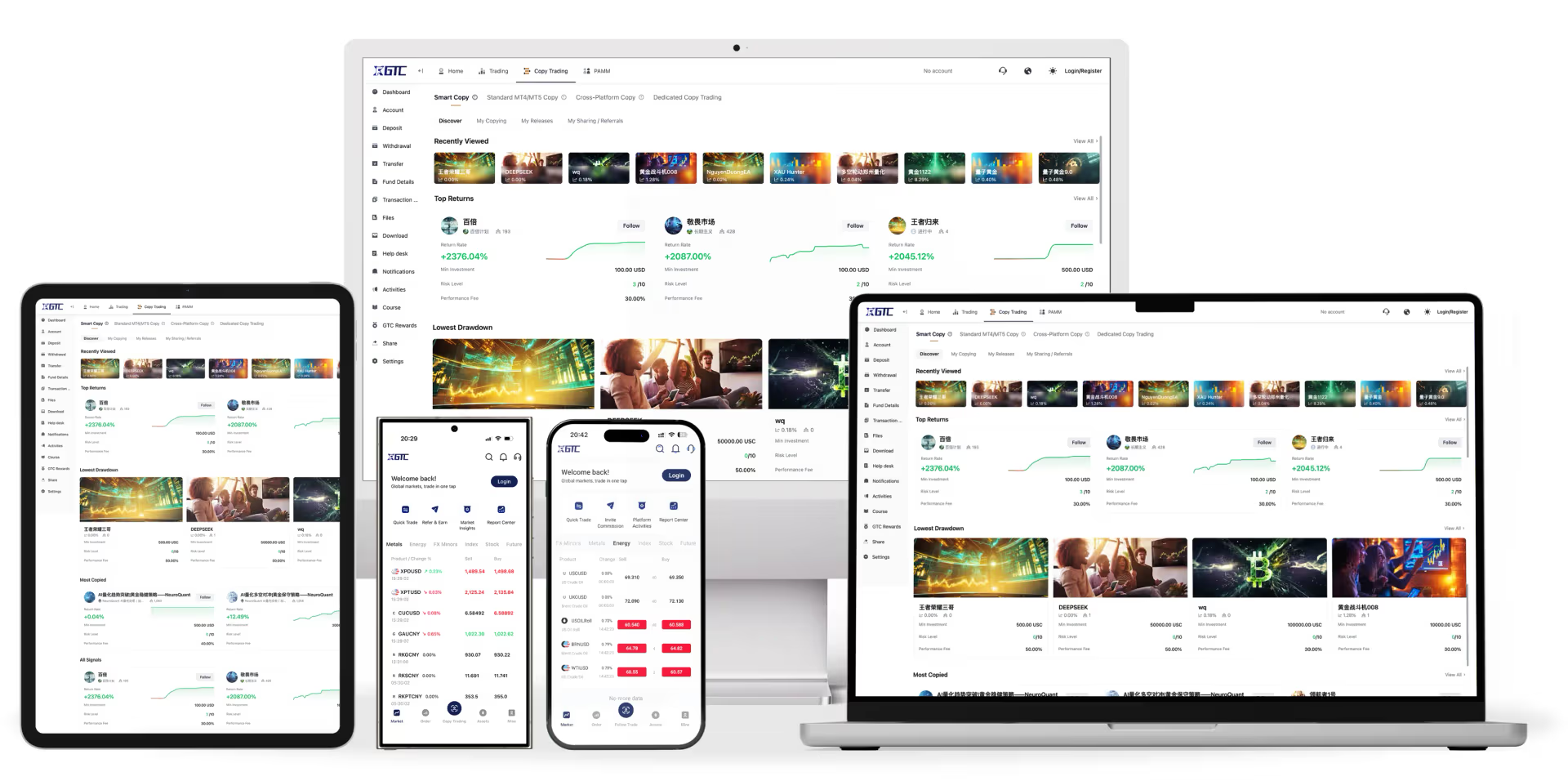
The financial landscape has undergone a structural transformation over the past decade. Individual market participants no longer need to be tied to traditional desktop workstations or physical brokerage desks to participate in global financial markets. Modern mobile technology has made international financial instruments accessible directly from smartphones and tablets. Contracts for difference, commonly known as CFDs, represent a primary mechanism through which retail and institutional traders gain derivative exposure to international price movements. A well designed CFD trading app enables market participants to analyze price action, execute orders, and monitor exposure across various asset classes in real-time from virtually any location.
The Evolution of Global CFD Market Accessibility
Historically, entering international markets required complex institutional relationships, high capital thresholds, and dedicated terminal software. Cross border trading often involved noticeable latency, fragmented pricing data, and restrictive account minimums. The introduction of mobile financial technology fundamentally altered this landscape by streamlining how pricing data is distributed and how orders are routed to liquidity providers.
Today, mobile CFD trading apps serve as complete trading environments rather than simple account monitoring utilities. By consolidating liquidity streams into a single digital interface, these applications allow users to trade derivative contracts based on underlying assets located across North America, Europe, Asia, and emerging markets. Traders can speculate on upward or downward price swings without directly acquiring or holding the underlying physical assets. This structural efficiency significantly lowers capital entry barriers while expanding access to global price discovery.
Core Capabilities Required in a Modern CFD Trading App
To navigate volatile international markets effectively, traders demand specific technical capabilities from their software. A reliable CFD trading app must integrate tick-by-tick price feeds, comprehensive order execution options, and customizable charting packages into a streamlined mobile interface.
First, real-time execution speed is paramount. Slippage during periods of high economic activity can materially impact trade performance. Mobile architectures must process order requests with minimal latency to ensure trades execute at intended prices.
Second, sophisticated order management tools are necessary for risk control. Users need immediate access to conditional order types, including pending orders, stop loss thresholds, and take profit targets. Having these controls readily available on a mobile screen allows traders to protect capital even when away from a traditional desk setup.
Third, comprehensive analytical tools must accompany order entry features. Modern applications incorporate multiple chart styles, such as candlestick and bar charts, alongside technical indicators like moving averages and relative strength metrics. Platforms such as GTCFX address these user demands through their specialized mobile applications, ensuring that interactive charting tools and customizable watchlists operate smoothly on mobile operating systems.
Multi Asset Diversification Through a Single Interface
Managing multiple accounts across different financial institutions is inefficient and increases operational complexity. Market participants frequently seek to diversify their trading activities across distinct economic sectors to hedge macro risk or capitalize on short-term volatility.
A central advantage offered by advanced CFD trading apps is the consolidation of global asset classes into a unified portfolio view. Through one trading application, users can transition between foreign exchange pairs, global stock market indices, precious metals, and energy commodities. For example, a market participant watching macroeconomic announcements can simultaneously adjust positions in currency markets while monitoring price shifts in crude oil or benchmark equity indexes.
Through platforms like GTCFX, traders gain access to thousands of tradable financial instruments within a single, unified watchlist. This high level of market connectivity allows users to execute multi asset strategies without transferring capital between separate brokerage accounts or navigating multiple user interfaces.
Security, Risk Mitigation, and Operational Reliability
Financial technology must prioritize security and stability above all else. Mobile devices operate over varying network conditions, ranging from high speed wireless connections to public cellular data. Consequently, security architecture and system uptime represent critical considerations for active market participants.
Encryption protocols protect sensitive financial data and account credentials during transmission. Multi factor authentication adds an extra defensive layer against unauthorized account access. Furthermore, cross device account synchronization ensures that open positions, pending orders, and account balances remain identical whether accessed via desktop software, web terminals, or a mobile CFD trading app.
Risk management remains an essential discipline when trading leveraged derivative instruments. Leverage amplifies both prospective gains and potential losses. Mobile platforms facilitate ongoing position oversight by delivering push notifications for margin levels, customizable price alerts, and automated notifications when pre-set market thresholds are reached. This continuous connectivity enables traders to evaluate market developments and modify risk parameters before adverse price moves cause significant portfolio drawdown.
Strategic Integration of Mobile Solutions for Active Traders
Mobile software has transformed global CFD trading from a localized activity into a continuous, global workflow. As international exchanges operate across differing time zones, market moving news can emerge at any moment. The ability to react instantaneously to economic reports, central bank announcements, or unexpected geopolitical developments gives active market participants a distinct operational advantage.
A modern CFD trading app does not merely complement desktop software; for many active participants, it serves as the primary gateway to international capital markets. Platforms like GTCFX exemplify how technical execution, broad market coverage, and robust risk control mechanisms can be combined into a cohesive mobile interface. By providing transparent execution, extensive multi asset connectivity, and reliable security standards, mobile CFD applications empower traders to engage with global financial markets confidently and efficiently.
