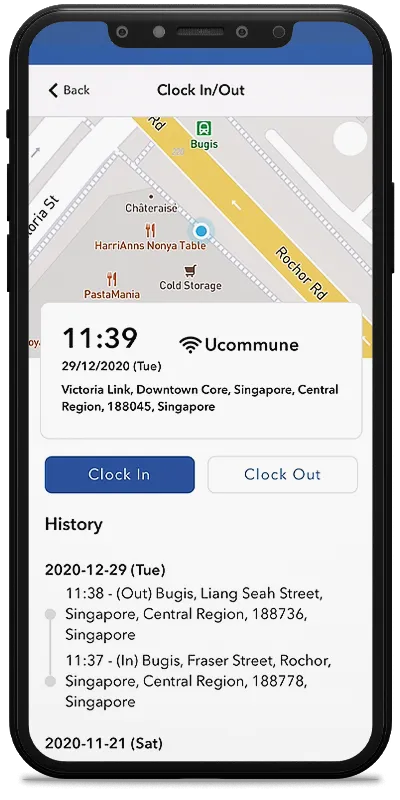
Maintaining precise control over employee work hours is a core responsibility for modern human resources departments. Organizations often face complex regulatory environments where manual record-keeping increases the risk of calculation errors and potential legal liabilities. By shifting toward digital solutions, firms can ensure that their time and attendance system data remains accurate, auditable, and fully aligned with local labor laws.
Automated software eliminates the reliance on manual timesheets, which are prone to human error and oversight. When companies implement a robust time and attendance system, they minimize the discrepancies that frequently lead to payroll disputes or non-compliance issues. BIPO provides a comprehensive suite of human resource management solutions, including an integrated BIPO HRMS, designed to help businesses streamline these administrative processes efficiently. For HR professionals looking to modernize their workflows, exploring the tools available on BIPO can offer a clearer view of how these systems function in a professional setting.
Mitigating Regulatory Risk
Regulatory bodies require companies to maintain clear, unalterable evidence of working hours, particularly regarding overtime payments. A sophisticated time and attendance system provides a digital trail that simplifies reporting during audits and internal reviews. By automating the capture of these hours, HR departments ensure that compensation calculations strictly adhere to statutory requirements. This proactive approach to data management is essential for maintaining operational integrity and ensuring that every employee is paid according to the specific regulations applicable to their jurisdiction.
Improving Operational Efficiency
Standardizing how overtime is tracked allows managers to focus on strategic workforce planning rather than repetitive administrative tasks. When HR teams utilize a centralized BIPO HRMS, they gain immediate visibility into team productivity and labor costs. This level of oversight helps departments stay ahead of potential issues before they escalate, fostering a workplace culture based on transparency and reliability. Consistently tracking time enables organizations to allocate resources effectively while upholding the high standards expected by corporate leadership and regulatory authorities.
Precise documentation serves as the foundation for both payroll accuracy and legal protection. As HR departments continue to manage diverse workforces, the implementation of automated tracking tools remains a practical step toward ensuring long-term compliance. By prioritizing reliable data collection, organizations protect their interests while creating a structured environment for their employees.
