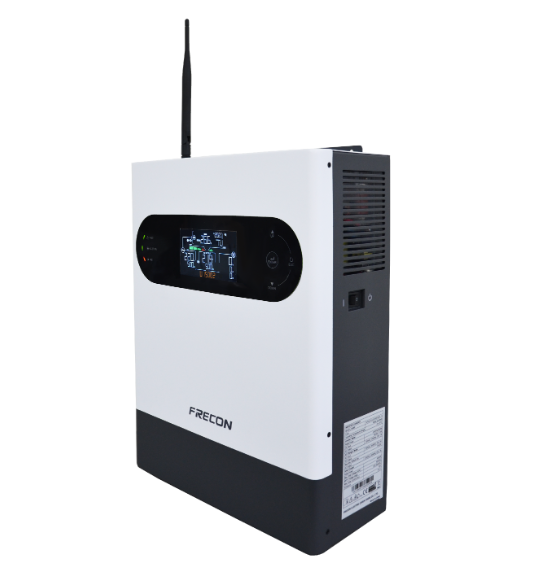
In the energy sector, understanding the role of different inverter types is important for system performance and efficiency. Professionals often ask about the difference between an inverter grid off design and a hybrid inverter. Both solutions address power conversion but operate in different ways, especially when integrated into solar applications. Companies like FRECON provide equipment that supports advanced energy projects, so their approach helps clarify how these technologies serve different user requirements.
Key Features of Off Grid Inverters
An inverter grid off unit is built for locations without stable grid connection. It converts solar energy into usable AC power and stores it in batteries for later use. These systems are commonly selected for rural or remote installations where reliability is critical. The main strength of a solar inverter off grid system lies in its independence, as it allows continuous supply even when grid power is unavailable. However, these systems often require careful design to match load demand and battery storage capacity.
How Hybrid Inverters Differ
In contrast, a hybrid inverter combines the functions of both grid-tied and off-grid systems. It can feed excess solar power into the grid while also storing energy in batteries for backup use. This flexibility gives project developers and facility managers options for energy optimization. Compared with a solar inverter off grid setup, the hybrid design provides additional adaptability for environments where the grid exists but may not be reliable. For professionals working with complex installations, this type offers more opportunities to balance cost, storage, and grid interaction.
Conclusion
While an inverter grid off solution is ideal for remote, independent systems, the hybrid inverter offers more operational flexibility by bridging both battery storage and grid connection. The choice depends on site conditions, reliability expectations, and project goals. Companies such as FRECON develop products that cover both categories, giving experienced users tools to implement efficient and practical energy systems. Their solar inverter off grid models are designed to meet real-world requirements without overpromising, offering stability and consistent performance in demanding applications.
