Distributors sell into markets where tile profiles, building practice, language, codes, and installer experience vary. Manufacturer support needs to do more than provide a logo or general brochure; it should help partners identify compatible products, communicate limits accurately, train installers, and preserve document control.
Effective support from tile roof solar mounting manufacturers combines technical evidence with adaptable sales materials. Antaisolar offers multiple tile hooks, corrosion-resistant and pre-assembled components, customized production, and a wider roof portfolio, creating content that can be organized for different distributor segments without inventing unsupported claims.
Building a Controlled Technical Content Library
Core documents should include product data sheets, compatibility charts, dimensioned drawings, load tables, material and coating information, fastener rules, torque values, installation manuals, inspection checklists, warranty terms, and declarations or test reports relevant to each market.
Controlled technical documents should have an identifier, revision, issue date, applicable products, language, and owner. A distributor portal or controlled library should archive superseded versions while making the current file easy to find. Change notices are important when part geometry, hardware, load data, or installation steps change.
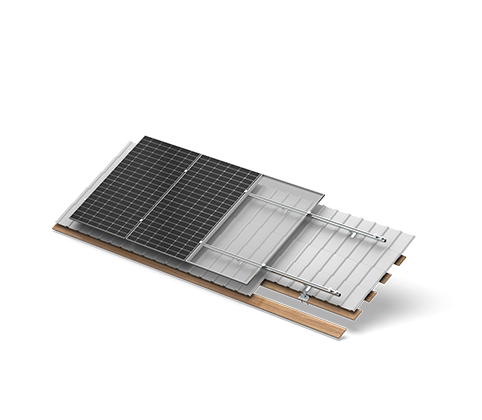
Antaisolar‘s tile family uses different hooks for different profiles while covering multiple roof styles. This structure lends itself to a compatibility matrix that links tile images and dimensions to approved hooks, adjustment ranges, fasteners, structural limits, and application notes.
Technical localization is more than translation. Units, code references, terminology, roof construction, safety practices, contact details, and warranty regions may differ. Qualified reviewers should check that localized instructions preserve the meaning and limits of the source engineering.
Creating Co-Branded Materials Without Claim Drift
Co-branded brochures can combine the manufacturer’s product identity with the distributor’s local service, inventory, training, and contact channels. A controlled template should define which technical statements are fixed, which fields may be localized, and who approves the final version before publication.
A distributor support program should provides approved images, diagrams, short descriptions, project references, certificates, and claim language. Distributors can then build web pages, catalogs, presentations, and launch campaigns without copying technical text from unrelated product families or outdated files.
Antaisolar’s broader range covers metal roofs, flat roofs, BIPV, balconies, and SnapFit systems. Portfolio material can support cross-category selling, but each page should keep roof compatibility, product specifications, and references clearly separated to avoid implying that one hook or certificate covers every system.
Reference projects need context. The company has supported tile roof mounting projects across Mexico, South Korea, Singapore, and Malaysia, with system capacities ranging from 2 kW to 50 MW. Co-branded case material should state configuration, location, capacity, and relevant outcome without extrapolating performance beyond available evidence.
Enabling Sales, Training, and Feedback
Sales tools can include discovery questions, selection trees, bill-of-material examples, sample requests, quotation checklists, and escalation routes. These resources help distributor teams identify when a standard hook applies and when drawings, tile samples, or customized engineering are required.
For profile-specific needs, Antaisolar provides tailor-made design and customized production. A partner workflow should define required inputs, engineering review time, drawing approval, tooling or minimum-order implications, testing, labeling, and how the customized item will be supported later.
Installer training should combine classroom explanation with roof mockups. Assessment can cover tile removal, structural fastening, hook clearance, flashing, corrosion isolation, torque, rail alignment, module clamping, and inspection records. Refresher content should follow product revisions and recurring field issues.
Distributor feedback completes the system. Search queries, quotation errors, returns, installation questions, warranty claims, and training results reveal where documentation is unclear. A shared review process can improve both technical files and marketing material while keeping claims accurate and regionally useful.