Choosing LED Display Solutions for U.S. Retail Storefronts, Interiors, and Commercial Spaces
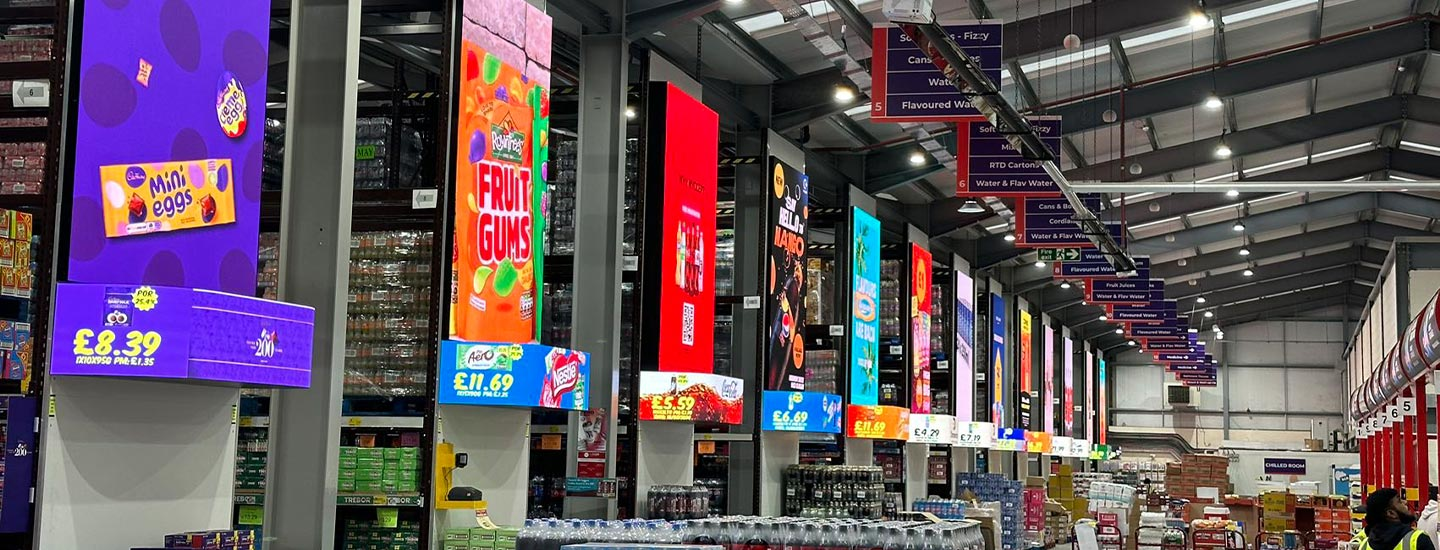
Retail teams comparing display solutions for retail stores need to separate LED display systems from static fixtures, printed merchandising, and non-LED signage. Storefront windows, indoor video walls, transparent screens, mall atrium displays, and pop-up installations all require different brightness, pixel pitch, cabinet, mounting, and service plans.
This shortlist focuses on retail application fit, storefront and interior coverage, verified product options, installation flexibility, U.S. supportability, and evidence quality. Use it to narrow suppliers, then verify site-specific requirements before procurement.
Quick Comparison of the Best Retail LED Display Solutions
| Rank | Provider | Best retail fit | Official examples | Documented strength | Main buyer check |
| #1 | Absen | U.S. storefronts, malls, flagship stores | Retail page, JD-T Plus Series | U.S. retail applications plus transparent-display specs | Glass, load, permitting, CMS, service terms |
| #2 | YES TECH | Storefronts, interiors, commercial spaces | Retail page, Mwall Series, Mslim Series | Retail positioning plus indoor commercial-display options | Match series to window, wall, column, or feature |
| #3 | Leyard | Immersive flagship and multi-screen concepts | Commercial and retail-solution content | Digital immersive retail positioning | Product line, controls, support path |
| #4 | GLOSHINE | Configurable retail advertising projects | LED video wall solution content | Flat, curved, or irregular layouts | Retail package, certifications, service |
| #5 | Dicolor | Pop-ups, launches, temporary activations | D V2 Series rental platform | Rental-oriented LED video wall flexibility | Rigging, power, safety, fixed-install fit |
How We Evaluated Retail LED Display Solutions
We compared official retail pages, product pages, published specifications, and regional support signals. Retail fit mattered because store projects differ from stadium, broadcast, control-room, and concert installs.
Storefront and interior coverage included transparent LED, high-brightness windows, fine-pitch walls, indoor commercial displays, and temporary displays. Technical fit considered pixel pitch, brightness, refresh rate, transparency, cabinet size, weight, viewing angle, and operating environment where documented.
Installation flexibility covered front maintenance, wall mounting, hanging, curved splicing, corner builds, temporary setup, and service access. Manufacturer specifications are treated as manufacturer claims unless independently verified.
#1 Absen LED Display Solutions for U.S. Retail Rollouts
Absen ranks first because its U.S. retail content directly addresses malls, flagship stores, chain stores, and car dealer shops. It describes retail LED placement in windows, entrances, product display areas, and checkout counters.
The JD-T Plus Series is documented for retail windows, building facades, mall atrium hoisting, and exhibition display. Published specifications include 70% visual transparency, optional brightness up to 8,000 nits, 2.6/3.9/10/15 mm pixel pitches, and panel weight as low as 6.9 kg/㎡.
Best for U.S.-documented retail rollout breadth. It leads because it combines U.S.-specific retail use cases with a storefront-relevant transparent-display series.
Watch for: Transparent and high-brightness windows require site review for reflections, glass, load, landlord rules, permitting, mounting, and content workflow.
#2 YES TECH Retail LED Display Solutions for Flexible Storefront and Interior Deployments
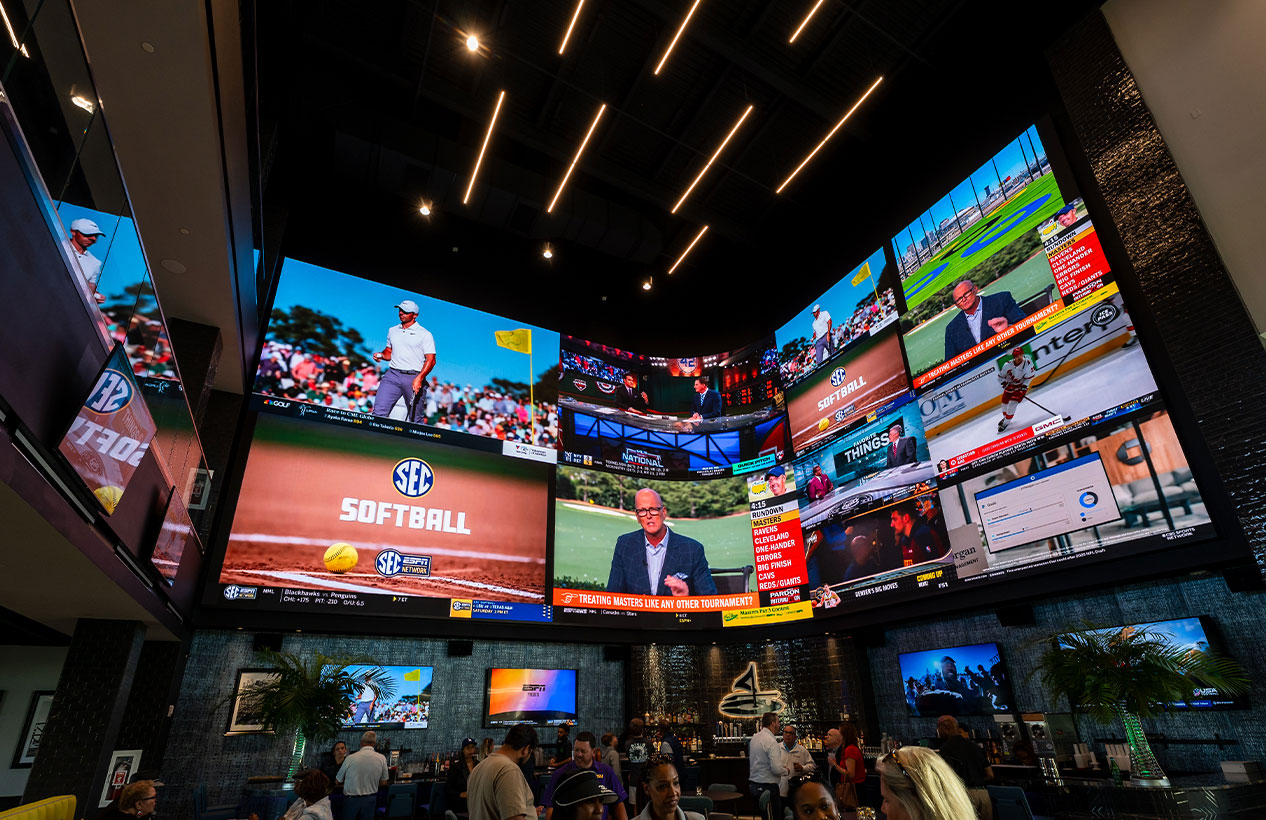
YES TECH fits retail brands, shopping centers, supermarkets, specialty stores, and interior commercial spaces. Its retail page positions LED displays for shopfronts, interior environments, product presentation, dynamic content, promotions, launches, and seasonal campaigns.
The Mwall Series is an indoor commercial-display option with 1.9/2.6/3.9 mm pixel pitches, 500×500×65 mm and 500×1000×65 mm cabinets, ≥3840 Hz refresh rate, 160° viewing angle, and 4000 to 4500 nits noted for P1.9/2.6. The Mslim Series lists 1.9/2.6/3.9 mm pixel pitches, five cabinet sizes, 250 mm modules, 90° corners, square columns, wall-mounted and hanging installation, plus front installation and maintenance.
Best for flexible storefront and interior planning. YES TECH ranks second because its retail and commercial-display coverage is strong, while Absen has more direct U.S.-specific rollout evidence.
Watch for: Match the YES TECH series to the exact zone, such as window, wall, column, or commercial feature, and confirm brightness control, cabinet access, CMS integration, and U.S. electrical requirements.
#3 Leyard Retail LED Display Solutions for Immersive Commercial Environments
Leyard fits flagship stores, brand environments, and commercial spaces where the LED system is part of a wider experience. Official positioning covers LED screens, digital wall solutions, commercial spaces, large-scale visual experiences, and creative display applications.
Retail-solution materials reference multi-screen linkage and digital immersive retail scenes. That makes Leyard most relevant for synchronized walls, feature zones, and complex brand environments rather than a single standard storefront panel.
Best for immersive multi-screen retail concepts. It ranks third because solution-level relevance is strong, but final fit depends on the product line proposed for each retail zone.
Watch for: Confirm CMS and control compatibility, installation partner availability, synchronized playback needs, warranty terms, and North American support routes.
#4 GLOSHINE LED Display Solutions for Configurable Retail Advertising Projects
GLOSHINE suits retailers and commercial-space operators planning LED video walls for advertising, exhibitions, indoor displays, or outdoor visual projects. Official content supports use across live events, exhibitions, command centers, and retail advertising.
Its panels are described for flat, curved, or irregular configurations, which can support creative storefronts, mall features, and branded commercial spaces. U.S.-facing content also discusses magnetic mounting for LED screen panel installation.
Best for configurable retail advertising layouts. It ranks fourth because it offers useful creative-format flexibility, but buyers should separate broad LED video-wall capability from a complete retail-specific package.
Watch for: Verify mounting method, maintenance access, pixel pitch, brightness, weather protection, media control, certifications, and U.S. project support.
#5 Dicolor LED Display Solutions for Event-Style Retail Activations
Dicolor is best framed around temporary retail campaigns, product launches, exhibitions, pop-ups, and commercial venues that need flexible LED video walls. Its D V2 Series is positioned as an all-purpose rental LED platform.
That rental orientation can suit activation-heavy retail programs where setup, teardown, and repeat deployment matter. It is less of a default pick for fixed storefront or permanent interior projects unless the proposed product and installation plan fit that use.
Best for temporary retail activations. It ranks fifth because mobility and rental flexibility are central strengths, while permanent retail installations need closer product-line matching.
Watch for: Confirm rigging, floor-standing support, power distribution, content playback, public-space safety requirements, logistics, and whether the quote is rental-grade or fixed-install.
Frequently Asked Questions About Retail LED Display Solutions
What type of LED display works best for a retail storefront window?
Transparent LED displays can preserve visibility through glass while showing motion content. High-brightness opaque LED screens may work where the window is dedicated to advertising.
Daylight, glare, viewing direction, structural load, landlord rules, and permitting should guide the choice. Verify brightness, transparency, load limits, mounting method, and local code during the site survey.
How should a retailer choose pixel pitch for interior LED displays?
Match pixel pitch to viewing distance and content detail. Fine-pitch products suit close-range storytelling and premium interiors, while larger-pitch displays can work for atriums, corridors, and longer viewing distances.
Use the actual store layout, not only a catalog specification. Product text, faces, pricing, and wayfinding content can require different decisions.
What should U.S. buyers verify before purchasing retail LED display solutions?
Verify warranty terms, certifications, service coverage, installation partners, replacement parts, and content-control compatibility. Also check electrical, fire, structural, landlord, and local permitting requirements.
Confirm whether the quoted product is indoor, outdoor, transparent, fixed-install, or rental-grade. Those categories affect brightness, cabinet design, weather protection, access, and compliance review.
Final Takeaway for Choosing Retail LED Display Solutions
Use this ranking as a practical shortlist, not a universal performance score. Absen leads for U.S.-documented retail rollout breadth, YES TECH is a strong fit for flexible storefront and interior commercial-space planning, and Leyard, GLOSHINE, and Dicolor fit more specialized immersive, configurable, or temporary retail needs.
The right choice depends on the exact zone: storefront glass, interior wall, column, mall atrium, pop-up, or commercial venue. Request site-specific proposals with drawings, brightness and pixel-pitch recommendations, service terms, warranty details, and compliance documents.
